
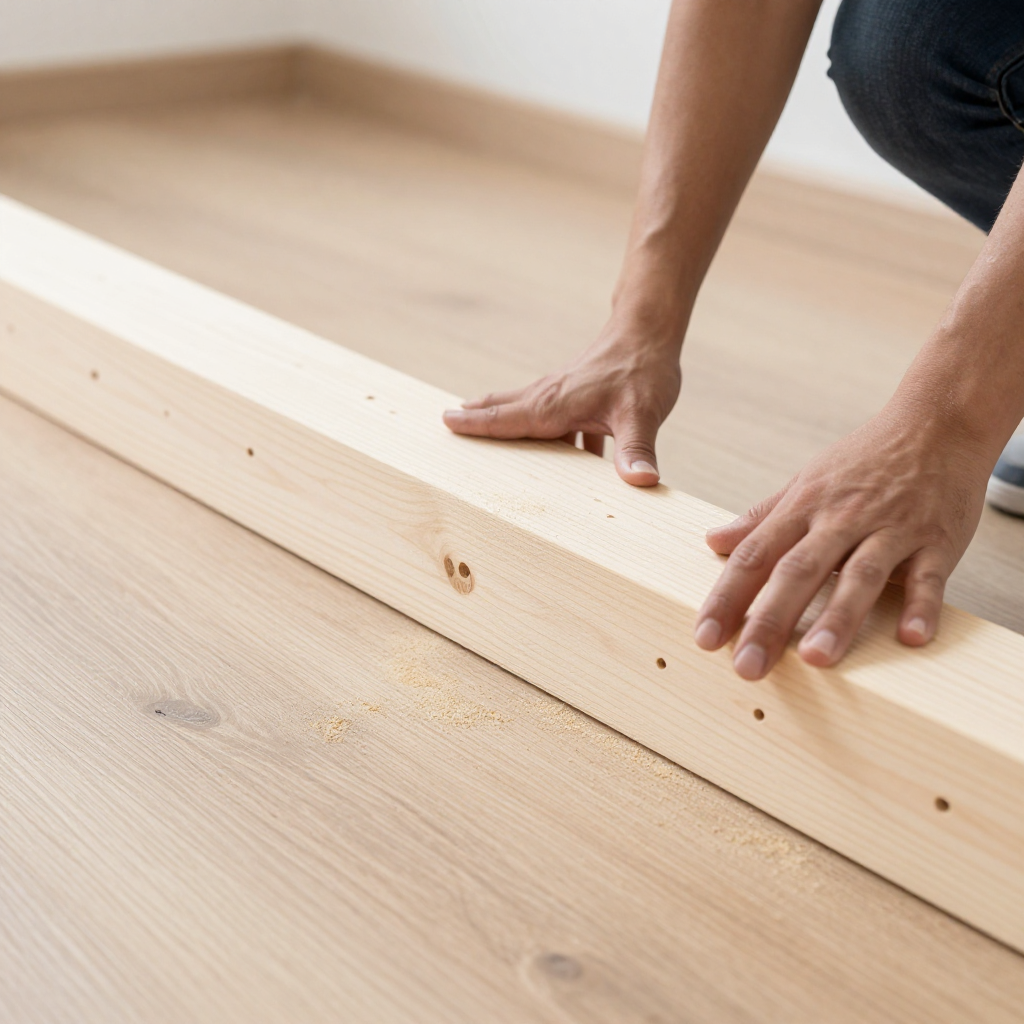
Discovering woodworm in your home can quickly lead to one important question: How fast does woodworm damage spread? Homeowners often notice a few tiny holes in wood or some powdery dust and wonder whether the problem is urgent or something that can wait.
The truth is that woodworm damage usually develops slowly but continuously. Unlike sudden damage caused by storms or flooding, woodworm quietly weakens timber from the inside over months or even years. Because the infestation often stays hidden, many homeowners underestimate how much damage may already exist before visible signs appear.
How quickly woodworm spreads depends on several factors, including the beetle species, moisture levels, timber condition, ventilation, and whether the infestation remains untreated. In some cases, damage may stay localized for years, while in others it can gradually affect larger areas of a home.
Many homeowners researching timber care through shashel.eu/ often want to know how urgent treatment really is and whether delaying action could lead to expensive repairs.
In this guide, we will explain how fast woodworm damage spreads, what affects the speed of infestation, and how homeowners can stop it before serious problems develop.
What Is Woodworm?
Before understanding the speed of damage, it is important to understand what woodworm actually is.
Despite the name, woodworm is not a worm.
Woodworm refers to the larvae of wood-boring beetles that feed on timber from the inside.
Adult beetles lay eggs inside cracks or exposed wood surfaces. Once the eggs hatch, larvae tunnel into timber and begin feeding.
Over time, these tunnels weaken wood.
Eventually, adult beetles emerge through tiny holes.
Woodworm commonly affects:
- Wooden furniture
- Roof beams
- Floorboards
- Structural timber
- Wooden stairs
- Ceiling joists
Because larvae stay hidden, infestations may continue unnoticed for years.
Woodworm Damage Usually Spreads Slowly
Unlike termites, woodworm generally causes damage more gradually.
Typical Timeline
Woodworm larvae may live inside timber for:
Several months to multiple years
During this time:
- Feeding continues
- Tunnels spread internally
Damage usually increases slowly but consistently.
This is why early signs are easy to ignore.
Why Woodworm Seems Slow but Becomes Serious
Many homeowners underestimate woodworm because damage develops quietly.
What Happens Internally
At first:
- Surface damage looks minor
Meanwhile:
- Larvae continue feeding deep inside timber
Over time:
- Structural strength decreases
By the time major warning signs appear:
Serious hidden damage may already exist
Slow damage does not mean harmless damage.
Moisture Speeds Up Woodworm Damage
Moisture is one of the biggest factors affecting infestation speed.
Why Damp Timber Matters
Woodworm prefers damp wood because it becomes:
- Softer
- Easier to tunnel through
Common Moisture Sources
Watch for:
- Roof leaks
- Plumbing leaks
- Condensation
- Poor ventilation
Damp conditions may increase infestation activity.
Dry timber naturally slows risk.
Many homeowners exploring timber care through shashel.eu understand that controlling moisture is one of the best ways to slow woodworm damage naturally.
Different Beetle Species Spread at Different Rates
Not all woodworm behaves the same way.
Common Furniture Beetle
This is one of the most common species.
Damage often develops gradually.
Deathwatch Beetle
May target older hardwood structures.
Damage can become serious over time.
House Longhorn Beetle
Can damage structural timber more aggressively.
Species type affects severity and speed.
Professional identification improves treatment accuracy.
Poor Ventilation Increases Risk
Poor airflow creates humid environments.
Why Ventilation Matters
Humidity helps:
- Keep wood damp
- Encourage infestation
High-Risk Areas
Woodworm spreads more easily in:
- Attics
- Basements
- Roof spaces
Healthy ventilation reduces risk.
Dry spaces discourage beetles.
Untreated Infestation Allows Spreading
Woodworm rarely disappears on its own.
What Happens Without Treatment
Adult beetles lay new eggs.
This creates:
- More larvae
- More feeding tunnels
Over time:
- Nearby timber becomes vulnerable
What starts in one beam or furniture piece may eventually affect larger areas.
Early treatment slows spreading.
Woodworm Can Spread to Nearby Wood
Woodworm does not usually jump instantly across a house.
However, it can gradually spread.
How Spread Happens
Adult beetles may lay eggs in:
- Nearby beams
- Floorboards
- Furniture
This often happens when conditions remain favorable.
Risk Factors
Spread becomes more likely when:
- Timber stays damp
- Ventilation remains poor
Healthy conditions reduce risk.
Structural Timber Damage Takes Time
Structural beams usually weaken gradually.
High-Risk Structural Areas
Woodworm may affect:
- Roof beams
- Ceiling joists
- Floor supports
Why This Matters
Damage may develop quietly for years.
By the time timber feels weak:
Infestation may already be advanced
Routine inspections help catch hidden problems.
Furniture Damage Can Spread Faster
Smaller wooden items sometimes weaken sooner.
Why Furniture Suffers
Furniture often contains thinner timber.
This may allow visible weakness to develop faster.
Common Signs
Watch for:
- Loose joints
- Weak legs
- Crumbling wood
Early treatment often saves furniture.
Warning Signs Damage Is Worsening
Never ignore these warning signs:
Fresh Powdery Dust
Fresh dust often means active feeding.
New Holes Appearing
New exit holes suggest continuing infestation.
Soft or Weak Timber
Wood strength may be decreasing.
Hollow Sounds
Internal tunneling may weaken timber.
Sagging Floors
Structural damage requires urgent attention.
Fast action prevents major repairs.
How Long Before Serious Damage Happens?
There is no single timeline.
Mild Cases
Small infestations may remain limited for years.
Moderate Cases
Damage often becomes noticeable over time.
Severe Cases
Poor conditions may accelerate weakening.
Factors affecting severity include:
- Moisture
- Ventilation
- Timber condition
- Beetle species
Professional assessment helps estimate risk.
Can Woodworm Stop Naturally?
Sometimes infestation slows if timber becomes too dry.
However:
You should never rely on this
Hidden damage may remain even if activity decreases.
Professional inspection improves certainty.
Ignoring infestation is risky.
How to Slow or Stop Woodworm Damage
Keep Timber Dry
Dry wood discourages beetles.
Improve Ventilation
Healthy airflow reduces humidity.
Fix Leaks Quickly
Moisture encourages infestation.
Inspect Regularly
Frequent checks catch problems early.
Treat Infestation Early
Fast treatment prevents spreading.
Small action today prevents larger costs later.
DIY Delay Often Makes Things Worse
Many homeowners delay treatment because damage seems small.
Common Problem
Visible signs appear minor while hidden damage continues.
Meanwhile:
- Larvae keep feeding
Waiting usually increases repair costs.
Professional advice helps reduce risk.
When to Seek Professional Help
Professional treatment is recommended if:
- Structural timber is affected
- Fresh dust continues appearing
- Wood weakens
Experts can assess:
- Infestation severity
- Timber condition
Early treatment improves outcomes.
Conclusion
So, how fast does woodworm damage spread? In most cases, woodworm spreads slowly but steadily, often over months or years. While damage may seem minor at first, hidden larvae continue feeding inside timber, gradually weakening furniture, flooring, roof beams, and structural supports.
Moisture, poor ventilation, untreated infestation, and beetle species all affect how quickly woodworm damage develops. Although it is usually not an overnight emergency, delaying treatment can eventually lead to much larger repair costs.